Advanced Non-Surgical Pain Management for Spine, Joint, and Nerve Pain Relief


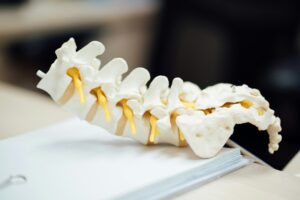
Living with ongoing pain can affect nearly every part of daily life. Simple tasks such as walking, working, sleeping, or sitting for long periods may become difficult. Fortunately, medical care continues to change, and patients now have more ways to manage pain without major surgery. Modern minimally invasive pain treatments can target problems involving the spine, joints, and nerves while helping many patients maintain an active lifestyle. These approaches often focus on finding the source of pain instead of simply covering up symptoms.
Non-surgical pain management does not refer to one treatment. Instead, it combines different methods based on a person’s condition, health, symptoms, and goals. Doctors may use physical therapy, image-guided procedures, injections, nerve treatments, or regenerative approaches when appropriate. As technology improves, specialists can also target painful areas with greater precision. Therefore, patients may have more choices before considering an operation.
Better Diagnosis Creates More Personal Treatment Plans
Effective pain care begins with understanding what causes the symptoms. Back, neck, joint, and nerve pain can have many possible sources. For example, a person with leg pain may have a spinal problem rather than an issue within the leg itself. Likewise, shoulder discomfort may come from a joint, tendon, muscle, or nearby nerve. Finding the likely source helps doctors choose a more focused treatment.
Modern evaluation may combine a physical exam with imaging, medical history, and specific diagnostic procedures. However, imaging alone does not always explain pain. A scan may show changes that cause no symptoms at all. For this reason, doctors often compare test results with the patient’s symptoms and physical findings. This broader approach can reduce unnecessary treatment and help create a plan that matches the person’s actual needs.
Image Guidance Improves Precision During Procedures
Doctors can now use advanced imaging to guide many non-surgical procedures. Fluoroscopy, ultrasound, and other imaging tools help specialists see important structures while delivering treatment. As a result, they can place medications or treatment devices closer to the intended area while avoiding nearby tissues.
Precision matters when treating areas around the spine, joints, and nerves. For example, image guidance can help with certain spinal injections or joint procedures. It can also help doctors identify the safest path toward a treatment area. However, no procedure is free from risk, and results can vary. Patients should discuss the expected benefits, possible side effects, and alternatives with a qualified medical professional before choosing an intervention.
Targeted Approaches Address Spinal Discomfort
Spine pain may develop from several structures, including joints, discs, muscles, or nerves. Because the causes differ, treatment should not follow a single formula. Some patients improve with physical therapy and changes in activity. Others may benefit from carefully selected injections or procedures that target a suspected pain source.
Epidural steroid injections, for example, may help certain patients with irritated spinal nerves. Other procedures can address pain linked to specific spinal joints. Doctors may also use diagnostic injections to learn whether a particular structure contributes to symptoms. Still, these treatments are not appropriate for everyone. Therefore, a complete evaluation remains important before deciding which approach offers a reasonable balance of benefits and risks.
Innovative Methods Focus on Joint Function
Joint pain can interfere with movement, exercise, work, and independence. Arthritis, past injuries, tendon problems, and other conditions can contribute to discomfort. Traditionally, treatment has included exercise, physical therapy, medication, and certain injections. Today, specialists may combine these options with newer methods based on the patient’s diagnosis.
Some patients also ask about regenerative pain therapies, including treatments that use biologic materials. Research continues to explore where these approaches may provide meaningful benefits. However, evidence differs by condition and specific treatment. Patients should be careful with claims that promise to rebuild damaged joints or permanently eliminate pain. A qualified clinician can explain what current evidence shows, what remains uncertain, and whether another established treatment may be more appropriate.
Nerve-Focused Care Can Interrupt Pain Signals
Nerve pain often feels different from muscle or joint discomfort. Patients may describe burning, tingling, electric sensations, numbness, or pain that travels along a specific path. Because nerve symptoms have many possible causes, treatment begins with identifying which nerves or structures may be involved.
Some modern procedures focus directly on pain signals. Radiofrequency treatments, for example, may reduce pain from certain nerves when a patient meets specific clinical criteria. Other approaches may involve targeted injections or forms of neuromodulation for selected chronic pain conditions. In addition, medication and physical rehabilitation can remain important parts of care. By combining methods when needed, doctors can address both pain signals and the physical limits that develop around chronic symptoms.
Rehabilitation Supports Stronger Long-Term Results
A procedure may reduce discomfort, but pain relief alone does not always restore strength or movement. For this reason, rehabilitation remains an important part of many non-surgical treatment plans. Physical therapy can help patients improve mobility, strength, balance, and movement patterns. It can also teach safer ways to complete activities that once triggered pain.
Exercise plans should match the person’s condition and abilities. Doing too much too soon may increase symptoms, while avoiding movement for long periods can sometimes lead to weakness and stiffness. Therefore, gradual progress often works better. A physical therapist or other qualified professional can adjust exercises as the patient improves. When rehabilitation works alongside other treatments, patients may have a better chance of returning to activities that matter to them.
Technology Expands Options for Chronic Symptoms
Medical technology has created additional ways to manage certain forms of persistent pain. Neuromodulation is one example. These treatments use controlled electrical signals to change how pain information travels through the nervous system. Depending on the condition, specialists may consider spinal cord stimulation or other forms of nerve stimulation after more conservative options have not provided enough relief.
Technology is also improving how doctors plan and perform procedures. Better imaging and more precise devices can support advanced nerve pain relief for carefully selected patients. Still, newer technology does not automatically mean better treatment for every person. The best choice depends on the diagnosis, previous treatments, overall health, and personal goals. Patients should understand both the potential benefits and limitations before moving forward with any advanced procedure.
Personalized Care Opens a Path Toward Better Living
The biggest change in modern pain management may be the move toward more individual care. Instead of assuming every patient with back, joint, or nerve pain needs the same solution, specialists can build plans around the source of symptoms and the person’s daily needs. This may include therapy, lifestyle changes, medication, targeted procedures, or a combination of approaches. As a result, personalized pain management can focus not only on reducing discomfort but also on improving movement, sleep, function, and quality of life.
Non-surgical care cannot remove the need for surgery in every case. Some structural problems, serious injuries, or progressive neurological conditions may require surgical evaluation. However, many patients can explore less invasive options first when it is medically appropriate. Advances in diagnosis, imaging, rehabilitation, targeted procedures, and nerve-focused technology continue to expand those choices. With careful evaluation and realistic expectations, patients can work with qualified healthcare professionals to find an approach that supports safer movement, better function, and a more comfortable daily life.