Osteopathic Manipulation for Better Mobility and Lasting Chronic Pain Relief


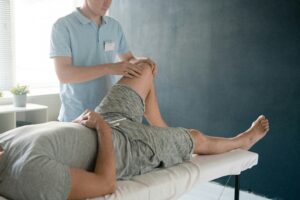
Living with chronic pain often affects every part of daily life. Simple activities such as walking, reaching, bending, or climbing stairs may become difficult over time. As discomfort continues, many people begin changing the way they move, which often creates additional strain on muscles and joints. Although medications may offer temporary comfort, they do not always correct the physical problems that cause pain. Because of this, more people now seek treatments that improve movement while addressing the underlying causes of discomfort. Osteopathic Manipulation offers a patient-centered approach that focuses on restoring healthy body mechanics while promoting natural healing.
Doctors of osteopathic medicine believe the body functions best when all of its systems work together efficiently. Instead of concentrating only on painful symptoms, they evaluate how muscles, bones, joints, nerves, and connective tissues interact during movement. This comprehensive perspective allows physicians to identify restrictions that contribute to discomfort and reduced mobility. As a result, patients often experience chronic pain relief while improving their ability to perform everyday activities with greater comfort and confidence.
Understanding Osteopathic Manipulation
Osteopathic Manipulation is a hands-on treatment performed by doctors of osteopathic medicine who receive specialized education in the diagnosis and treatment of movement-related conditions. During treatment, physicians use carefully selected manual techniques to improve joint motion, relax muscles, reduce tissue tension, and restore normal body mechanics. Every treatment plan reflects the patient’s health history, physical condition, and personal recovery goals.
Unlike treatments that reduce symptoms, Osteopathic Manipulation focuses on improving how the body functions as a whole. The physician examines posture, flexibility, muscle balance, and joint movement before beginning treatment. Consequently, the care plan targets the mechanical problems responsible for discomfort rather than masking the pain itself.
Why Mobility Matters for Long-Term Health
Healthy mobility allows people to complete daily tasks without unnecessary effort. Walking comfortably, lifting groceries, exercising, driving, and participating in family activities all require muscles and joints to work together smoothly. When movement becomes restricted, people often reduce their physical activity, which may eventually weaken muscles and increase stiffness.
Furthermore, poor mobility can affect overall health in unexpected ways. Limited movement may contribute to poor posture, reduced balance, and decreased endurance. Over time, these changes increase physical stress throughout the body. Therefore, restoring healthy movement supports not only pain reduction but also long-term physical independence and overall wellness.
How Chronic Pain Develops
Chronic pain rarely appears without a reason. Instead, it often develops because of muscle imbalance, repetitive movement, previous injuries, poor posture, or joint dysfunction. Initially, the body adapts to these problems by changing movement patterns. However, those compensations frequently create additional stress in surrounding muscles and joints.
As these movement changes continue, discomfort may spread beyond the original painful area. For example, limited hip mobility can eventually affect the lower back, knees, or even the shoulders. Therefore, identifying the source of mechanical dysfunction becomes an important part of achieving lasting pain relief.
Restoring Healthy Body Mechanics
Every movement depends on proper coordination between muscles, joints, ligaments, and connective tissues. When one area loses mobility, nearby structures often compensate by working harder. Although these adjustments help maintain movement, they also increase physical strain over time.
Osteopathic Manipulation restores healthy body mechanics by improving joint mobility while reducing unnecessary muscle tension. As normal movement returns, the body distributes physical stress more evenly across multiple joints. Consequently, patients often experience smoother movement, greater flexibility, and reduced discomfort during everyday activities.
Improving Joint Function
Healthy joints require regular movement to maintain flexibility and proper lubrication. Unfortunately, injury, prolonged sitting, repetitive work, and aging may gradually reduce joint mobility. As stiffness increases, muscles surrounding the joint frequently become tighter, creating even greater discomfort.
Through gentle manual techniques, Osteopathic Manipulation improves joint motion while encouraging healthier movement patterns. Better joint function allows patients to move with greater confidence during both routine tasks and recreational activities. Additionally, improved mobility reduces unnecessary pressure on surrounding tissues, supporting long-term musculoskeletal health.
Reducing Muscle Tension Naturally
Muscles often tighten as a protective response to pain or injury. While this reaction helps stabilize the affected area initially, prolonged muscle tension can restrict movement and reduce circulation. Eventually, chronic tightness contributes to additional discomfort throughout the body.
Osteopathic physicians use manual treatment to release excessive muscle tension and restore normal muscle balance. As muscles relax, flexibility improves, and surrounding joints experience less physical stress. Consequently, patients often notice reduced soreness and greater comfort throughout the day.
Supporting the Body’s Natural Healing Ability
The human body continuously repairs damaged tissues through natural healing processes. However, restricted movement, poor circulation, and ongoing muscle tension may interfere with recovery. Therefore, improving body mechanics plays an important role in supporting tissue repair.
Osteopathic Manipulation enhances circulation by improving movement within muscles, joints, and connective tissues. Better blood flow delivers oxygen and nutrients to healing tissues while removing metabolic waste products more efficiently. As a result, the body often recovers more effectively from physical stress and minor injuries.
Enhancing Recovery After Injury
Many injuries heal physically before normal movement fully returns. During recovery, people frequently develop protective movement patterns that continue long after pain decreases. Although these compensations reduce discomfort temporarily, they often create lasting stiffness and muscle imbalance.
Osteopathic Manipulation helps patients restore healthy movement during rehabilitation. Physicians gently improve flexibility, joint motion, and muscular coordination while reducing unnecessary restrictions. Consequently, patients regain confidence as they return to work, exercise, sports, and everyday responsibilities with improved physical function.
Encouraging Better Posture
Modern lifestyles encourage prolonged sitting, frequent computer use, and extensive mobile device use. These habits gradually influence posture by increasing strain on the neck, shoulders, spine, and hips. Poor posture may also reduce breathing efficiency while contributing to chronic muscle fatigue.
Osteopathic physicians evaluate posture because body alignment affects movement throughout the musculoskeletal system. Through manual treatment, they improve mobility while reducing muscular imbalance that contributes to poor posture. Therefore, patients often stand and move more comfortably while placing less stress on their joints.